

{25.12.2025}
[For English Scroll Down]
Erasmus+ საქართველოში – 2025 წლის დისემინაციის შედეგები – მიღწევები, ზეგავლენა და თანამშრომლობა
2025 წლის 19 დეკემბერს, Erasmus+ ეროვნულმა ოფისმა საქართველოში ორგანიზება გაუწია ყოველწლიურ საინფორმაციო ღონისძიებას, რომელშიც მონაწილეობდნენ ფორმალური და არაფორმალური განათლების ინსტიტუციები, ბიზნესისა და ინდუსტრიის, საერთაშორისო ორგანიზაციებისა და სამოქალაქო საზოგადოების წარმომადგენლები. ღონისძიება წარმოადგენდა 2025 წლის Erasmus+ პროგრამის ძირითადი მიღწევების სადემონსტრაციო პლატფორმას – საუკეთესო პრაქტიკის კონკრეტული მაგალითების გასაზიარებლად და საგანმანათლებლო და არასაგანმანათლებლო სექტორებს შორის დიალოგის გასაძლიერებლად.
დისემინაციის ღონისძიებამ Erasmus+ წლის მოკლე მიმოხილვა წარმოადგინა, რომელიც უწყვეტი გაცვლითი პროგრამების და თანამშრომლობითი პროექტებით იყო განპირობებული. მთელი წლის განმავლობაში, Erasmus+ ერივნული ოფისი საქართველოში რეგულარული საინფორმაციო და დისემინაციის აქტივობების მეშვეობით მჭიდრო კავშირში იყო დაინტერესებულ მხარეებთან, ქმნიდა რა დიალოგის სივრცეს განათლების, ტრეინინ ცენტრებისა და სხვა პარტნიორი სექტორების წარმომადგენელთა შორის. ყოველივე ზემოთაღნიშნულმა კი განაპირობა მონაწილეთა შორის ერასმუს+ პროგრამის შესახებ ცნობიერების ზრდა, პრაქტიკული უნარების გაუმჯობესება და პროგრამისადმი ინტერესი.
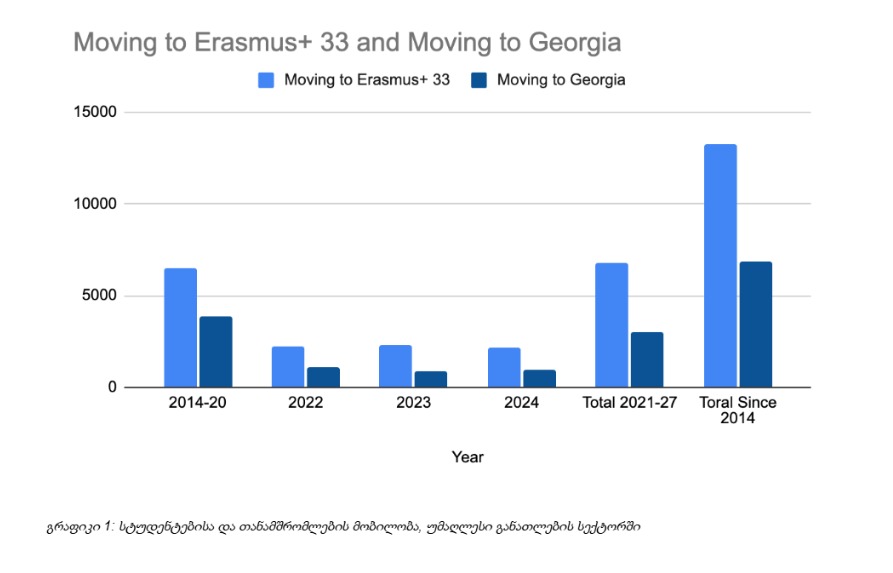
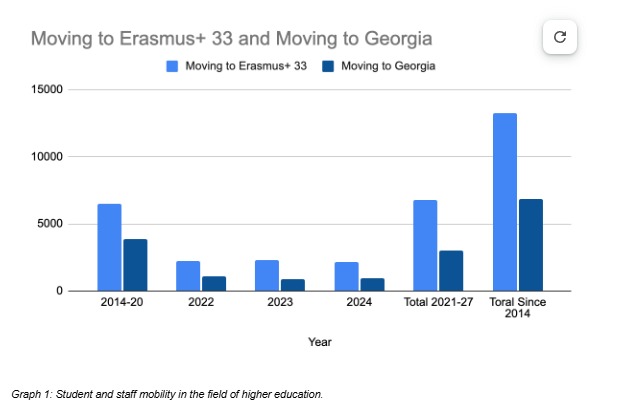
გარდა ამისა, ღონისძიებაზე წარმოდგენილი იყო უმაღლესი განათლების სექტორში მობილობის მაჩვენებლები. 2021–2027 წლების პერიოდში, საქართველოდან Erasmus+ ქვეყნებში 6,747 სტუდენტი და პერსონალი გადავიდა, ხოლო იმავე პერიოდში, პროგრამის ქვეყნებიდან საქართველოში 2,992 მონაწილე ჩამოვიდა. ჯამურად, მონაწილეობის საერთო რაოდენობამ 13,259 გამსვლელი და 6,850 შემომსვლელი მობილობა შეადგინა. ღონისძიების დროს წარმოდგენილი მაჩვენებლები ადასტურებს საქართველოს მდგრად ჩართულობას აკადემიურ გაცვლით პროგრამებში და მის მუდმივ ინტეგრაციას ევროპული თანამშრომლობის ჩარჩოებში, მათ შორის Erasmus Mundus-ის ერთობლივ სამაგისტრო პროგრამებში მონაწილეობას.
უმაღლესი განათლების მიმართულებით, ღონისძიებაზე, ასევე, განხილული იყო Erasmus Mundus-ის (EMJM) ერთობლივი სამაგისტრო პროგრამის მონაწილეთა შედეგები, როგორც უმაღლესი განათლების მობილობის ფართო ლანდშაფტის ნაწილი. როგორც ყველასთვის ცნობილია, EMJM პროგრამებში ქართველი სტუდენტები, სამაგისტრო საფეხურზე, სრული დაფინანსებით სწავლობენ ევროპული უნივერსიტეტების კონსორციუმების მიერ შემოთავაზებულ ერთობლივ სასწავლო პროგრამებში. აღნიშნული სამაგისტრო პროგრამები წარმოადგენს, Erasmus+-ის ფარგლებში, მობილობის ფორმას, რომელიც აერთიანებს აკადემიურ თანამშრომლობას, ერთობლივ კურიკულუმებს და ინტერნაციონალურ სასწავლო გამოცდილებას.
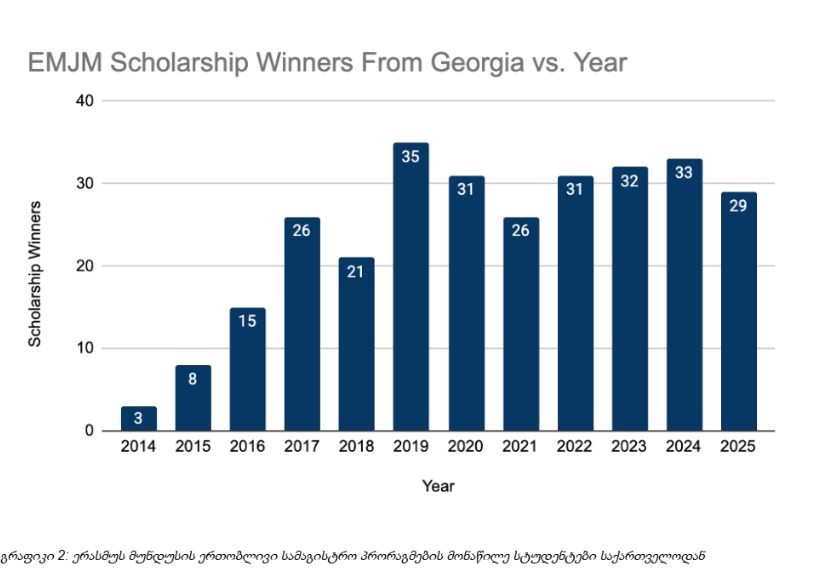
საქართველოდან Erasmus Mundus-ის ერთობლივ სამაგისტრო პროგრამაში მონაწილეთა რაოდენობა, დროთა განმავლობაში, აშკარა ზრდის ტენდენციას აჩვენებს. 2010-იანი წლების შუა პერიოდიდან სტიპენდიანტთა შედარებით მცირე რაოდენობით დაწყებული, რიცხვი სტაბილურად იზრდებოდა. თუმცა, მიუხედავად რყევებისა, საქართველოდან EMJM სტიპენდიანტთა წლიური რაოდენობა სტაბილურად მაღალი დარჩა და, როგორც წესი, წელიწადში ოცდაათ მონაწილეს აჭარბებდა.
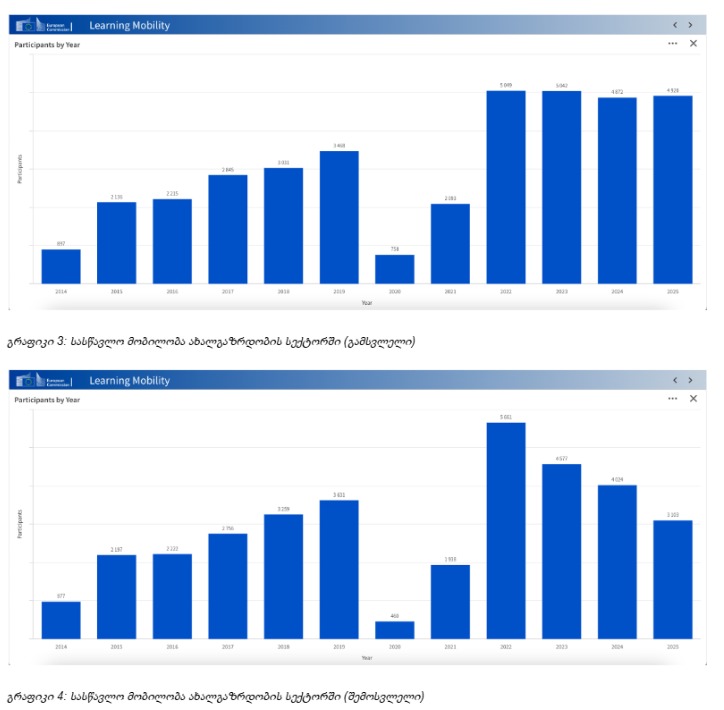
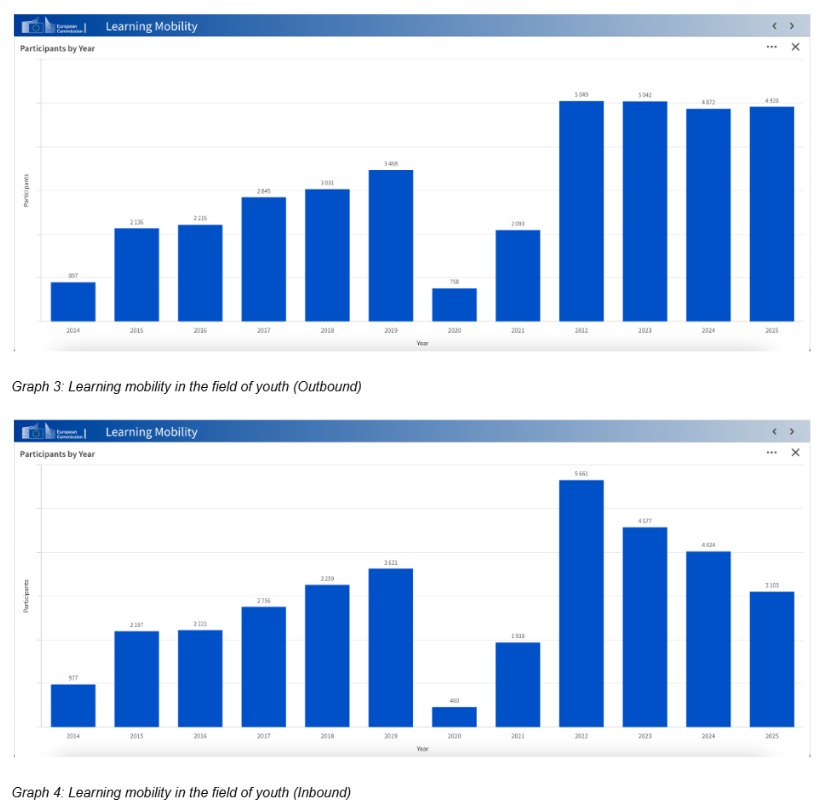
Erasmus+-ის სხვა აქტივობებთან ერთად, ღონისძიებაზე განხილულ თემებს შორის, სასწავლო მობილობა, ახალგაზრდულ სექტორიში, თვალსაჩინო ადგილს იკავებდა. წარმოდგენილი მონაცემებით, 2014-2025 წლების სტატისტიკით, საქართველოდან 25,518 ახალგაზრდამ მიიღო მონაწილეობა საზღვარგარეთ ახალგაზრდული სასწავლო მობილობის პროგრამაში, ხოლო 29,334 მონაწილე საქართველოში Erasmus+ ახალგაზრდული პროგრამების ფარგლებში იქნა მიღებული. აღნიშნული ორმხრივი მობილობა ხაზს უსვამს, Erasmus+ პრორაგმაში მონაწილეობის მიმართ, ახალგაზრდებისა და ახალგაზრდული ორგანიზაციების ძლიერ ინტერესს.
მობილობის ტენდენციებთან ერთად, ღონისძიების დროს, ასევე, განხილული იყო Erasmus+ თანამშრომლობით პროექტებში მონაწილეობის საერთო მასშტაბები. მხოლოდ უმაღლეს განათლების სექტორიში, პროექტების ჯამურმა ღირებულებამ, რომლებშიც ქართული უმაღლესი საგანმანათლებლო დაწესებულებები მონაწილეობდნენ როგორც კოორდინატორების ანდა პარტნიორების სტატუსით, 60 მილიონ ევროს გადააჭარბა. უნდა აღინიშნოს, რომ აღნიშნული თანხები ასახავს პროექტების მთლიან ბიუჯეტს კონსორციუმის დონეზე და ნაწილდება სხვადასხვა ქვეყნის ინსტიტუტებს შორის, მათი როლებისა და პასუხისმგებლობების შესაბამისად. შესაბამისად, ის არ წარმოადგენს ექსკლუზიურად საქართველოსთვის გამოყოფილ დაფინანსებას, თუმცა აღნიშნული ნათლად აჩვენებს იმ პროექტების მნიშვნელობასა და ღირებულებას, რომელშიც, Erasmus+ პროგრამის ფარგლებში, ქართული უმაღლესი სასწავლო დაწესებულებები იღებენ მონაწილეობას.
გარდა ამისა, ღონისძიების დროს განხილული იყი ის სტრატეგიული პრიორიტეტები, რომლებიც საქართველოში Erasmus+ პროგრამის იმპლემენტაციის პროცესშია გათვალისწინებული. შესაბამისად, ინკლუზიურობა წარმოდგენილი იყო, როგორც NEO-ს მუშაობის ძირითადი პრინციპი, რაც გამოიხატება საზოგადოებასთან ურთიერთობის, კონსულტაციების და პროგრამის შესაძლებლობების შესახებ ინფროამციის დისსემინაციის დროს. გარდა ამისა, სულ უფრო მეტი ყურადღება ექცევა განათლებასა და ბიზნეს სექტორს შორის თანამშრომლობის გაძლიერებას, სექტორთაშორისი პარტნიორობის გზით, მიღებული ცოდნის შესაბამისობის, დასაქმების ხელშეწყობისა და ინოვაციების წახალისების მიზნით.
ღონისძიების ფარგლებში, უმაღლესი განათლების, არასაგანმანათლებლო ინსტიტუციებისა და საერთაშორისო ოარგანიზაციების (UNICEF) მიერ წარმოდგენილი პრაქტიკული მაგალითები დემონსტრირება იყო იმის, თუ როგორ უწყობს Erasmus+ პროგრამა სექტორთაშორის თანამშრომლობას, ხარისხის უზრუნველყოფას, საერთაშორისო აკრედიტაციების მოპოვებას, გამოყენებითი კვლევების დანერგას, ინოვაციებისა და უნარების განვითარებას.
ღონისძიების დროს, ასევე ხაზი გაესვა იმ მტკიცე ნდობას, რომელსაც დაინტერესებული მხარეები Erasmus+-ის ეროვნული ოფისის მიმართ გამოხატავენ. წლის განმავლობაში დაგროვებული გამოხმაურება მიუთითებს მუდმივად დადებით გამოცდილებაზე, რაც ხაზს უსვამს ოფისის როლს სანდო კონსულტაციების, ხელმისაწვდომობის გაუმჯობესებისა და პროფესიული მხარდაჭერის საკითხებში. ბენეფიციარებთან მიმდინარე დიალოგი ხაზს უსვამს NEO-ს მიზანს ჩამოაყალობოს ინფორმირებული და თავდაჯერებული Erasmus+ საზოგადოება.
დისემინაციის ღონისძიება დასრულდა ნეთვორქინგის სესიით, რომელმაც მონაწილეებს საშუალება მისცა, ერთმნეთისთვის გაეზიარებინათ თავიანთი გამოცდილება, შეესწავლათ ახალი თანამშრომლობის შესაძლებლობები და განემტკიცებინათ კავშირები სექტორებს შორის. დიალოგსა და პარტნიორობაზე აქცენტი ღონისძიების უფრო ფართო გზავნილს იმეორებდა – Erasmus+ საქართველოში არა მხოლოდ რიცხვით, არამედ ხარისხით, შესაბამისობითა და გრძელვადიანი ზეგავლენითაც ძლიერდება.
მობილობის მზარდი ნაკადების, ევროკავშირის მნიშვნელოვანი ინვესტიციების, ინკლუზიური პრაქტიკისა და დაინტერესებული მხარეების მაღალი კმაყოფილების გზით, Erasmus+ პროგრამა კვლავაც მნიშვნელოვან როლს ასრულებს საქართველოში განათლების, ახალგაზრდობისა და სექტორთაშორისი თანამშრომლობის მხარდაჭერაში, ამავდროულად ხელს უწყობს ქვეყნის უფრო მჭიდრო ინტეგრაციას ევროპულ საგანმანათლებლო და საზოგადოებრივ ჩარჩოებში.
Erasmus+ in Georgia – Achievements, Impact and Partnerships Highlighted at the 2025 Dissemination Event
On 19 December 2025, the National Erasmus+ Office in Georgia organised its Annual Dissemination Event in Tbilisi, bringing together representatives of formal and informal education institutions, business and industry, international organisations, civil society, and development partners. The event served as a platform to present the key achievements of Erasmus+ in Georgia in 2025, share concrete examples of good practice, and strengthen dialogue between education and non-education sectors.
The dissemination event offered a snapshot of a year shaped by continuous exchange and engagement within the Erasmus+ community. Throughout the year, the National Erasmus+ Office in Georgia remained closely connected with stakeholders through regular information and dissemination activities, creating spaces for dialogue across education, youth, and partner sectors. Complemented by individual consultations, these interactions fostered informed participation, practical understanding, and sustained interest in Erasmus+ opportunities.
The event presented higher education mobility figures illustrating student and staff exchanges between Georgia and Erasmus+ Programme countries. During the 2021–2027 programme period, a total of 6,747 students and staff moved from Georgia to Erasmus+ countries, while 2,992 participants moved to Georgia within the same framework. When viewed cumulatively, overall participation reached 13,259 outbound and 6,850 inbound mobilities. The figures presented during the event demonstrated Georgia’s sustained involvement in academic exchanges and its continued integration into European cooperation frameworks, including participation in Erasmus Mundus Joint Masters.
Erasmus Mundus Joint Masters were also referenced during the event as part of the broader higher education mobility landscape. Participation in EMJM programmes was presented as an example of Georgian students’ involvement in jointly delivered, internationally structured study programmes offered by consortia of European universities. These programmes illustrate a distinct form of mobility within Erasmus+, combining academic cooperation, joint curricula, and cross-border study experience, while contributing to international exposure and institutional cooperation at European level.

Data on Erasmus Mundus Joint Masters scholarships from Georgia show a clear upward trend over time, followed by a period of sustained participation. Starting from a small number of scholarship holders in the mid-2010s, the number increased steadily, reaching a peak in 2019. In the subsequent years, despite fluctuations, the annual number of EMJM scholarship winners from Georgia remained consistently high, generally exceeding thirty recipients per year. The figures for the most recent years indicate continued strong participation, confirming Erasmus Mundus Joint Masters as a stable and well-established pathway for Georgian students to engage in jointly delivered, internationally recognised master’s programmes.
Alongside other Erasmus+ actions, learning mobility involving young people featured prominently in the programme overview. The data presented indicated that 25,518 participants from Georgia took part in Youth learning mobility abroad, while 29,334 participants were hosted in Georgia through Erasmus+ Youth actions. This two-way participation reflects the active involvement of young people and organisations in international learning activities within the Erasmus+ framework.
Alongside mobility trends, the event also addressed the overall scale of Erasmus+ project participation, focusing on the value of international cooperation projects involving Georgian institutions. In higher education alone, participation in Erasmus+ projects illustrates the scale of international cooperation involving Georgian institutions. As one example, projects in which Georgian higher education institutions took part as coordinators or partners reached a combined value exceeding €60 million. This amount reflects the total budget of the projects at consortium level and is shared among institutions from different countries according to their roles and responsibilities. It therefore does not represent funding allocated exclusively to Georgia, but demonstrates the overall scope of Erasmus+ higher education cooperation.
Beyond figures, the event emphasised strategic priorities guiding Erasmus+ implementation in Georgia. Inclusivity was presented as a core principle of NEO’s work, reflected in outreach efforts, consultation practices, and the promotion of equal access to programme opportunities. In addition, increasing attention is being placed on strengthening collaboration between education and the business sector, with the aim of enhancing relevance, employability, and innovation through cross-sectoral partnerships.
Practical examples shared during the event illustrated how Erasmus+ enables such cooperation in practice. Case studies from higher education institutions, international organisations such as UNICEF, and non-higher education actors demonstrated how Erasmus+ projects contribute to quality assurance, international accreditation, applied research, innovation, and skills development, while fostering sustainable partnerships beyond the education sector.
The event also reflected the strong confidence that stakeholders place in the National Erasmus+ Office in Georgia. Feedback gathered over the year points to a consistently positive experience, highlighting the Office’s role as a trusted point of reference for guidance, accessibility, and professional support. This ongoing dialogue with beneficiaries underscores the credibility of NEO’s work and its contribution to building a well-informed, engaged, and confident Erasmus+ community.
The dissemination event concluded with a dedicated networking session, allowing participants to exchange experiences, explore cooperation opportunities, and strengthen connections across sectors. This emphasis on dialogue and partnership echoed the broader message of the event: Erasmus+ in Georgia is not only growing in numbers, but also deepening in quality, relevance, and long-term impact.
Through strong mobility flows, substantial EU investment, inclusive practices, and high stakeholder satisfaction, the Erasmus+ Programme continues to play a key role in supporting education, youth, and cross-sectoral cooperation in Georgia, while contributing to the country’s closer integration into European educational and societal frameworks.